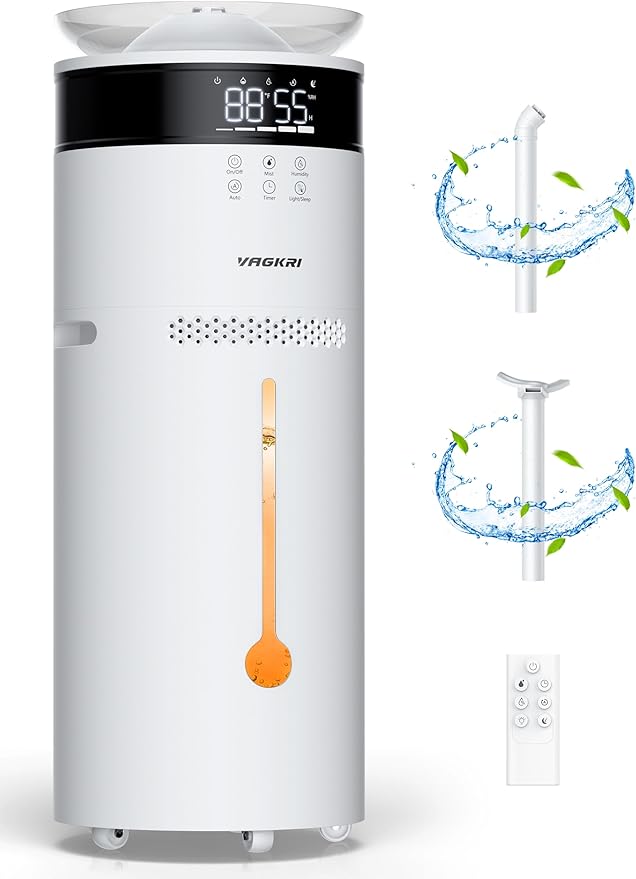
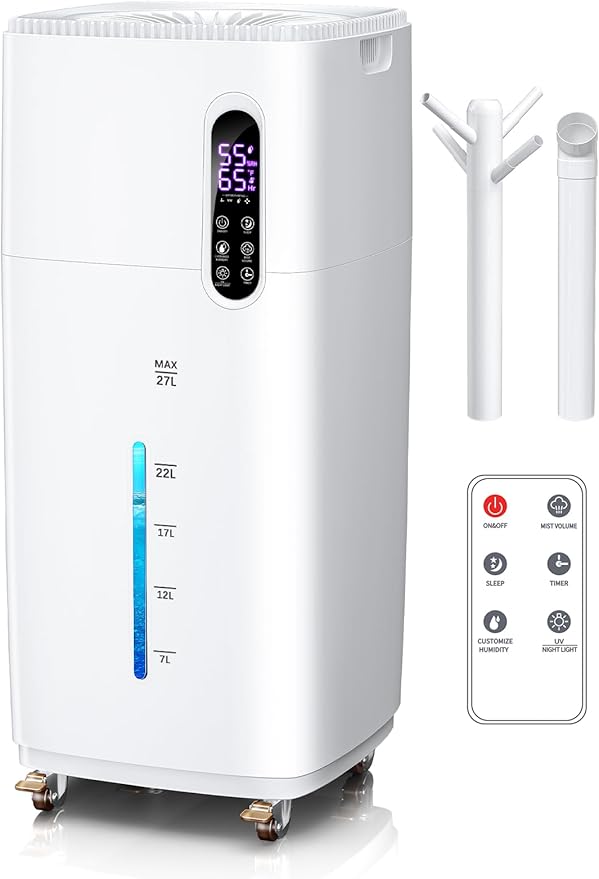
If your allergy symptoms are triggered by airborne particles like pollen, pet dander, or dust, an air purifier with a HEPA filter is your best bet to clean the air.
But if dry indoor air worsens your nasal irritation or throat discomfort, a humidifier helps by adding moisture and soothing those symptoms.
Understanding what is better for allergies—humidifier or air purifier—can guide you to the right solution.
Ideally, combining both can give you comprehensive relief.
Keep going to discover how each device works and when to use them for the most comfort.
This way, you can manage your allergy symptoms more effectively.
Key Takeaways
- Air purifiers trap airborne allergens like pollen, dust, and pet dander, effectively reducing allergy triggers indoors.
- Humidifiers add moisture to dry air, easing nasal and throat irritation caused by low humidity during allergy season.
- Use air purifiers when airborne particles and odors worsen allergy symptoms or when dust and mold spores accumulate.
- Humidifiers are beneficial when indoor air is dry (below 30%), preventing dryness that can worsen allergy symptoms.
- Combining both devices offers comprehensive relief by cleaning air and maintaining optimal humidity (30-50%) to reduce irritation.
How Humidifiers Help Relieve Allergy Symptoms
Although humidifiers don’t remove allergens from the air, they can ease your allergy symptoms by adding moisture to dry indoor air. When air is too dry, it can irritate your nasal passages and throat, making allergies feel worse. By increasing humidity levels, humidifiers help keep your mucous membranes moist, which reduces irritation and helps you breathe more comfortably.
This added moisture can also prevent dry skin and soothe itchy eyes, common issues during allergy season. However, it’s important to keep your humidifier clean to avoid mold and bacteria growth, which could trigger allergies instead of relieving them. Using a humidifier in moderation can create a more comfortable environment for your respiratory system, helping you manage allergy symptoms better during dry seasons or in heated indoor spaces.
How Air Purifiers Reduce Allergens in the Home
If you’re dealing with allergies, an air purifier with a HEPA filter can make a big difference by trapping tiny allergen particles like pollen, dust, and pet dander. These filters are designed to capture even the smallest irritants that float in the air around you.
Using one helps reduce the allergens you breathe in, making your home a more comfortable place.
HEPA Filters Efficiency
HEPA filters are the heart of many air purifiers, designed to trap tiny particles that trigger allergies. When you run an air purifier with a HEPA filter, it captures at least 99.97% of airborne particles as small as 0.3 microns, including pollen, dust mites, pet dander, and mold spores. This means allergens are physically removed from the air you breathe, reducing your exposure and helping alleviate allergy symptoms.
Because HEPA filters don’t just mask allergens but actually trap them, they’re highly effective for improving indoor air quality. To maintain their efficiency, you’ll need to replace the filters regularly, as clogged filters can reduce performance. Overall, HEPA filters provide a reliable way to reduce airborne allergens in your home.
Allergen Particle Removal
Air purifiers can remove a wide range of allergen particles from your home’s air, making it easier to breathe. By drawing in air and passing it through advanced filters, they trap tiny irritants you might not even see. This process helps reduce allergy symptoms significantly.
Here’s what air purifiers can capture:
- Dust mites floating in the air
- Pollen drifting through open windows
- Pet dander shed by your furry friends
- Mold spores released from damp areas
- Smoke particles from cooking or candles
Using an air purifier regularly means fewer allergens circulating around you, which can ease sneezing, coughing, and congestion. Unlike humidifiers, they don’t add moisture but actively clean the air, making your living space healthier and more comfortable for allergy sufferers.
Common Allergy Triggers and Their Impact Indoors
Although you might not see them, common allergens like dust mites, pet dander, mold spores, and pollen can significantly affect your indoor air quality and trigger allergic reactions. Dust mites thrive in warm, humid environments, especially in bedding and upholstery, making their presence hard to avoid. Pet dander, tiny skin flakes from animals, lingers in the air and on surfaces, irritating sensitive noses.
Mold spores grow in damp areas like bathrooms and basements, releasing allergens into the air. Pollen, although mostly outdoor, can enter your home through open windows or on your clothes. Understanding these triggers helps you manage your indoor environment better, reducing exposure and minimizing allergy symptoms.
Recognizing where these allergens hide is key to maintaining a comfortable, healthier living space for you and your family.
Comparing Humidifier and Air Purifier Benefits for Allergies
When managing allergies at home, choosing between a humidifier and an air purifier depends on your specific needs. Both devices offer unique benefits that can ease allergy symptoms in different ways. A humidifier adds moisture to dry air, which can soothe irritated nasal passages.
An air purifier removes airborne allergens like dust and pollen. Consider these benefits when deciding:
- Humidifier relieves dry throat and nasal discomfort
- Air purifier captures pet dander and mold spores
- Humidifier prevents dry skin and cracked lips
- Air purifier reduces airborne pollutants and smoke
- Humidifier supports respiratory comfort during dry seasons
Ideal Humidity Levels for Allergy Sufferers
Since managing indoor humidity can greatly affect your allergy symptoms, it’s important to maintain the right levels. Too much moisture can encourage mold and dust mites, while too little can dry out your nasal passages, worsening irritation.
Ideally, you want to keep humidity between 30% and 50%. Here’s a quick guide to help you understand the impact:
| Humidity Level | Effect on Allergies |
|---|---|
| Below 30% | Dry air; nasal irritation |
| 30-50% | Optimal; reduces allergens |
| 50-60% | Slight risk of mold growth |
| Above 60% | High risk of mold & dust mites |
Types of Air Purifiers and Their Effectiveness Against Allergens
When choosing an air purifier, you’ll want to understand how different types handle allergens. HEPA filters trap tiny particles, activated carbon helps with odors and chemicals, and UV light targets bacteria and viruses.
Knowing these strengths can help you pick the best option for your allergy needs.
HEPA Filters and Allergens
Although not all air purifiers are created equal, those equipped with HEPA filters are especially effective at capturing common allergens like pollen, dust mites, and pet dander. When you use a HEPA filter, it traps particles as small as 0.3 microns, removing:
- Airborne pollen drifting through your room
- Dust mites hiding in your bedding
- Pet dander floating around after your furry friend moves
- Mold spores that trigger sneezing fits
- Tiny particles from smoke or pollution
This means HEPA filters can significantly reduce your exposure to irritants, helping your allergies feel more manageable. If you’re looking to clear the air in your home, an air purifier with a true HEPA filter is a smart choice to target these pesky allergens effectively.
Activated Carbon Benefits
A key feature that sets some air purifiers apart is their activated carbon filter, which excels at trapping odors and chemical pollutants you might not even notice. If you’re sensitive to fumes from cleaning products, smoke, or pet odors, this filter can make a big difference in your indoor air quality.
Unlike HEPA filters that target particles like pollen and dust, activated carbon works by adsorbing gases and volatile organic compounds (VOCs), reducing irritants that can worsen allergy symptoms. While it won’t capture allergens directly, combining an activated carbon filter with a HEPA filter offers a more comprehensive defense against both particles and harmful gases.
UV Light Purification
Since you’re looking to reduce allergens, UV light purification offers a unique approach by targeting airborne microorganisms like bacteria, viruses, and mold spores. Unlike traditional filters, UV purifiers use ultraviolet light to disrupt the DNA of these harmful particles, making them harmless. This method can be especially helpful if you suffer from allergies triggered by mold or germs.
Here’s what UV light purification can do for you:
- Neutralize mold spores floating in the air
- Kill bacteria that cause allergic reactions
- Inactivate viruses that worsen respiratory issues
- Complement HEPA filters for broader allergen control
- Reduce the growth of mildew inside your purifier
UV light purification isn’t a standalone fix, but it’s a powerful addition to your allergy-fighting arsenal.
When to Use a Humidifier for Allergy Relief
If your indoor air feels dry and leaves your nasal passages irritated, a humidifier can be a great tool to ease allergy symptoms. You’ll want to use a humidifier especially during colder months when heaters dry out the air, making your sinuses feel scratchy and increasing your allergy discomfort. Maintaining indoor humidity between 30-50% helps keep your nasal passages moist and reduces irritation caused by allergens like dust and pollen.
However, you should avoid over-humidifying, as excessive moisture can promote mold growth, which worsens allergies. Use a humidifier when you notice dry skin, frequent nosebleeds, or persistent throat irritation related to dry air. Regular cleaning of your humidifier is crucial to prevent bacteria buildup, ensuring it supports your allergy relief effectively.
When to Choose an Air Purifier for Allergy Management
While a humidifier helps add moisture to dry air, an air purifier focuses on removing allergens and irritants from your environment. You should choose an air purifier when you’re dealing with airborne particles that trigger your allergies. It’s especially helpful if you notice:
- Sneezing fits caused by pollen or pet dander
- Persistent dust accumulation that worsens your symptoms
- Mold spores floating in damp areas of your home
- Smoke or strong odors irritating your respiratory system
- Frequent allergy attacks despite keeping your space clean
An air purifier with a HEPA filter can capture these tiny particles, improving your indoor air quality and reducing allergy symptoms. If you want to breathe easier without adding moisture, an air purifier is the smart choice for managing allergies effectively.
Combining Humidifiers and Air Purifiers for Optimal Allergy Control
Although humidifiers and air purifiers serve different purposes, using them together can provide more comprehensive allergy relief. An air purifier removes airborne allergens like pollen, dust, and pet dander, while a humidifier adds moisture to dry indoor air, which can soothe irritated nasal passages. When you combine both, you tackle allergy symptoms on multiple fronts—cleaning the air and preventing dryness that worsens irritation.
Just be careful with humidity levels; keeping humidity between 30-50% helps prevent mold growth, which could trigger allergies. Using an air purifier with a HEPA filter alongside a properly maintained humidifier can create a more comfortable environment and reduce allergy flare-ups.
Frequently Asked Questions
Can Humidifiers or Air Purifiers Help With Pet Dander Allergies?
Yes, air purifiers can help reduce pet dander by trapping allergens in the air, while humidifiers don’t remove dander but may ease irritation.
You’ll benefit most from an air purifier for pet allergy relief.
Do Humidifiers or Air Purifiers Require Special Maintenance for Allergy Relief?
You know, “a stitch in time saves nine.” You’ll need to clean both regularly—humidifiers need water changes to prevent mold, while air purifiers require filter replacements to keep allergy relief effective and your air fresh.
Are There Any Health Risks Using Humidifiers or Air Purifiers for Allergies?
Yes, using humidifiers improperly can promote mold and bacteria growth, risking respiratory issues. Air purifiers may cause irritation if filters aren’t changed regularly. You should maintain both carefully to avoid health problems.
How Do Energy Costs Compare Between Humidifiers and Air Purifiers?
You’ll usually find humidifiers use less energy than air purifiers since they mainly run a fan and water system. Air purifiers, with filters and motors, tend to consume more power, raising your energy costs slightly.
Can Children Safely Use Humidifiers or Air Purifiers for Allergies?
About 20% of children suffer from allergies, and yes, they can safely use humidifiers and air purifiers. Just ensure humidifiers are cleaned regularly and purifiers have HEPA filters to keep the air healthy and allergen-free.
Regular maintenance is key to preventing mold and bacteria buildup in humidifiers. Air purifiers with HEPA filters are effective at capturing common allergens like pollen, pet dander, and dust mites.
Always place these devices in appropriate locations and follow the manufacturer’s guidelines. With proper use, humidifiers and air purifiers can significantly improve indoor air quality for children with allergies.
Conclusion
When it comes to tackling allergies, choosing between a humidifier and an air purifier can feel like picking the ultimate allergy warrior. Humidifiers soothe dry, irritated airways, while air purifiers attack airborne allergens like a superhero sweeping through your home. Sometimes, using both creates an unstoppable force against allergy symptoms.
Humidifiers add moisture to the air, which can help relieve dryness that often worsens allergy symptoms. On the other hand, air purifiers filter out pollen, dust, pet dander, and other allergens, reducing exposure to triggers. Each device plays a unique role in improving indoor air quality.
In conclusion, the best choice for allergies depends on your specific symptoms and environment. Combining a humidifier and an air purifier can provide comprehensive relief by balancing moisture levels and removing allergens. Maintaining optimal indoor air quality is key to managing allergy symptoms effectively.