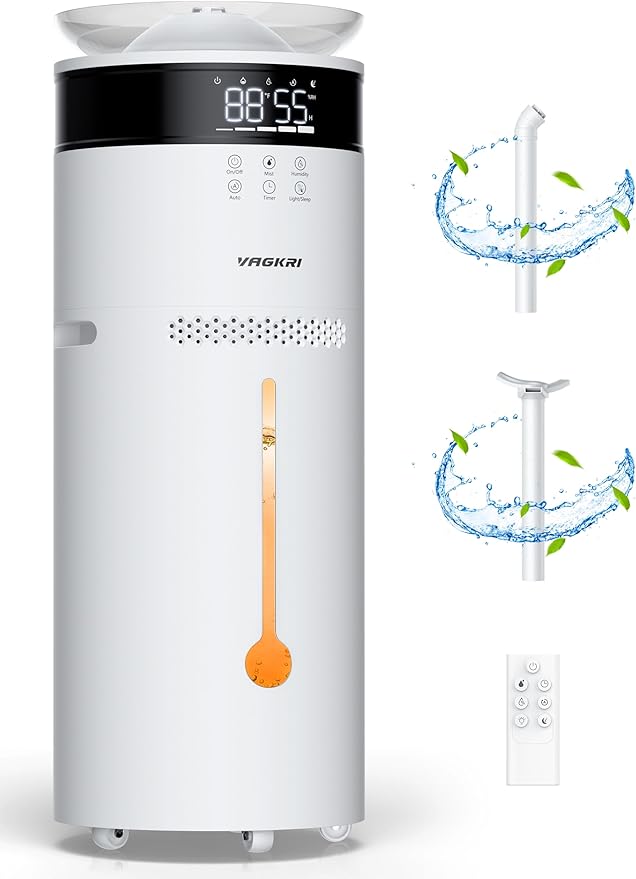
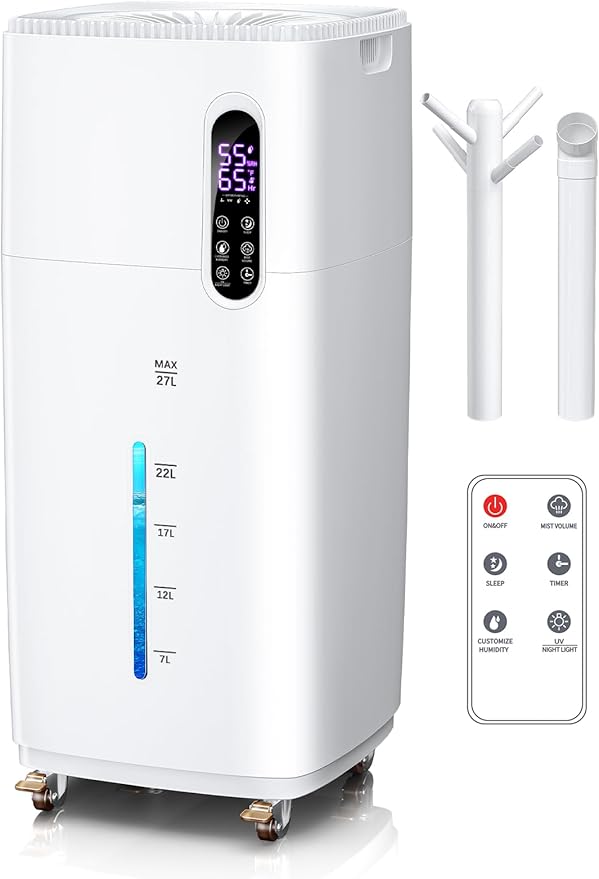
A dehumidifier with an uphill pump moves collected water from a low spot, like a basement, to a sink, outdoor drain, or higher reservoir, so you don’t have to deal with spills. It helps prevent mold, damp spots, and odor, especially where drainage is poor. It also simplifies disposal in tight spaces and keeps floors drier. This setup works on multi‑level homes and sloped floors, with easy placement and routine maintenance—there’s more you can optimize by continuing.
How Uphill Pumping Works in Dehumidifiers
Uphill pumping in a dehumidifier uses a small pump or a gravity-assisted mechanism to move collected water to a higher reservoir or drain. You’ll find the pump integrated into the appliance’s base or housing, connected to a hose or port.
When the unit detects a full tank or reaches a set humidity level, the pump activates, pushing water upward. In gravity setups, a designed path from the collection point to a higher outlet relies on slope and air pressure to move liquid.
You may hear a quiet hum during operation, or a brief motor chirp as the pump starts. Timers or humidity sensors help prevent unnecessary cycling, saving energy.
Ensure hose placement avoids kinks, and keep the exit higher than the reservoir.
Benefits for Basements With Poor Drainage
Basements with poor drainage benefit from uphill pumping because it prevents standing water from accumulating near the floor and seeping into walls or basements corners. You’ll notice fewer damp spots after rain, and a calmer, less humid environment as moisture is directed away from vulnerable areas.
By moving water uphill, your dehumidifier helps maintain a steadier floor level, reducing the risk of mold growth and musty odors that thrive in soggy basements. This setup also supports safer storage, since liquids and damp belongings stay farther from walls and electrical points.
With less standing water near foundations, you gain peace of mind and one fewer worry during heavy rainfall or melting snow. Regular maintenance remains important to keep the uphill path clear and effective.
Simplifying Water Disposal in Tight Spaces
When space is tight, you still need a reliable way to dispose of water from a dehumidifier without clutter or spills. A compact pump or gravity drain makes setup simple, so you don’t juggle hoses or trip hazards.
Choose a model with a narrow outlet and quiet operation to fit behind furniture or under a shelf. Route the hose toward a sink, sump, or outdoor drain, using wall brackets to keep it tidy.
If you’re renting or limited on outlets, look for an integrated reservoir with an automatic shutoff to prevent overflows. Regularly trace the line for kinks or leaks, and replace worn seals promptly.
With proper placement and maintenance, water disposal stays seamless, minimizing disruption to living space.
Preventing Mold and Moisture-Related Damage
To prevent mold and moisture-related damage, keep humidity levels in check and ensure proper airflow around the dehumidifier. You’ll reduce damp spots by placing the unit away from walls and furniture, allowing unblocked air to circulate.
Empty and clean the tank or drain hose regularly to prevent odors and microbial growth. Use correct settings: aim for 40–50% relative humidity in living spaces and slightly higher in basements or laundry rooms.
Seal gaps around doors and windows to stop humid air from seeping in. Monitor basement corners, closets, and crawl spaces for condensation and reset the unit if readings spike.
Pair efficient dehumidification with good ventilation during cooking, showering, and laundry to sustain a mold-free environment long term.
Ideal Setups: Multi-Level Homes and Sloped Floors
Multi-level homes and sloped floors present unique challenges for efficient dehumidification. You’ll want a strategy that targets moisture where it concentrates: basements, stairs, and upper floors often trap humidity differently.
Consider pairing a pump-enabled dehumidifier with strategically placed drainage lines to move collected water away from living spaces, reducing rebound moisture.
On multi-story layouts, place a unit on each level or use a central device with extended hose reach to serve adjacent areas, ensuring consistent humidity control.
Sloped floors can hinder air circulation; use elevated stands or wall-mounted installations to optimize airflow and drainage.
Maintain door gaps and return vents to balance pressure, so dry air moves where you need it most.
Regularly inspect condensate lines for clogs and leaks.
Key Features to Look for When Buying
Key features to consider when buying a dehumidifier with pump capabilities start with capacity and efficiency. Choose a model sized for your space; too small won’t remove moisture fast enough, too large wastes energy.
Look for continuous or auto-defrost to handle cool, damp rooms without performance drops.
A built-in condensate pump is essential for uphill drainage, so verify lift height and flow rate match your setup.
Noise matters, especially in bedrooms or living areas—check decibel ratings at typical run levels.
Check energy efficiency with the energy factor or comparable metrics, and favor units with dual fan speeds for flexible moisture control.
Portability helps if you rearrange spaces, so seek wheels and ergonomic handles.
Finally, confirm availability of reliable warranties and accessible service.
Installation Tips for Uphill Condensation Drainage
Installing uphill drainage for a dehumidifier pump is about planning the path, securing fittings, and testing the lift before you run it full-time.
Start by mapping a gentle, continuous slope, and avoid sharp turns that trap air or debris. Use a high-quality, corrosion-resistant hose rated for condensate and ensure you’ve got a secure mounting bracket to reduce vibration.
Check fittings for tight seals and use reinforced clamps, not tape. Install an accessible inline check valve to prevent backflow and a condensate sensor if your model supports it.
Keep the discharge clear of obstructions, and route away from living spaces to prevent moisture buildup.
Finally, run a short test cycle, observe flow, and verify that water reaches the drain without leakage or coughing noises.
Real-World Use Cases and Considerations
Real-world use cases reveal why uphill drainage makes sense: in tight basements, garages, or rooms without external walls, a pump can move condensate to a higher floor drain or utility sink without bulky external piping. You’ll appreciate the flexibility when piping runs are limited or obstructed by joists, plumbing, or insulation.
Consider the pump’s head height, flow rate, and noise profile, since taller routes may require a stronger unit and added mounting considerations. Check power needs, venting, and any potential interference with future remodels.
Maintenance matters: clean filters, inspect for leaks, and ensure a reliable shutoff if drains clog. In rental or shared spaces, confirm landlord rules and permits.
Finally, weigh cost versus benefit, recognizing uphill drainage isn’t a universal fix but a smart, space-saving option in the right setup.
Frequently Asked Questions
How Loud Is Uphill Pumping in Typical Models?
Uphill pumping is usually quiet in typical models, around 40–60 decibels under normal operation. You’ll hear a soft hum or occasional whir, but it stays unobtrusive for daily living, especially with insulated hoses and a quiet-cycle setting.
Can Uphill Pumping Handle Long Vertical Runs?
Yes, uphill pumping can handle long vertical runs, but you’ll need a pump designed for high head pressure, adequate power, and proper tubing; ensure hoses remain clear, venting is correct, and you don’t exceed the unit’s limits.
Will Uphill Pumping Affect Energy Bills Significantly?
Yes, uphill pumping can raise energy use noticeably, since the pump works harder against gravity. You’ll see modest to moderate increases, depending on distance, height, and your unit’s efficiency, but you’ll still benefit from reduced humidity.
Is Uphill Drainage Compatible With Solar-Powered Units?
Yes, uphill drainage can work with solar-powered units, as long as the pump’s head height matches your system’s solar output and you have enough battery storage or a robust daytime solar supply to handle elevation.
Are There Warranty Limits for Uphill Pumping Use?
Warranty limits vary by model, but most manufacturers restrict uphill pumping to rated conditions; exceeding specs may void coverage. Check your unit’s manual, stay within height, flow, and power guidelines, and keep proof of purchase for claims.
Conclusion
You can tap into uphill pumping to move water where gravity won’t cooperate, opening up basements, crawl spaces, and tight corners for effective drainage. It simplifies disposal in rooms with limited floor space, helps prevent mold and moisture damage, and harmonizes with multi-level homes or sloped floors. When buying, look for reliable pumps, quiet operation, and built-in overflow protection. Installation tips matter, but once set up, you’ll enjoy steadier humidity control and fewer water-related headaches.