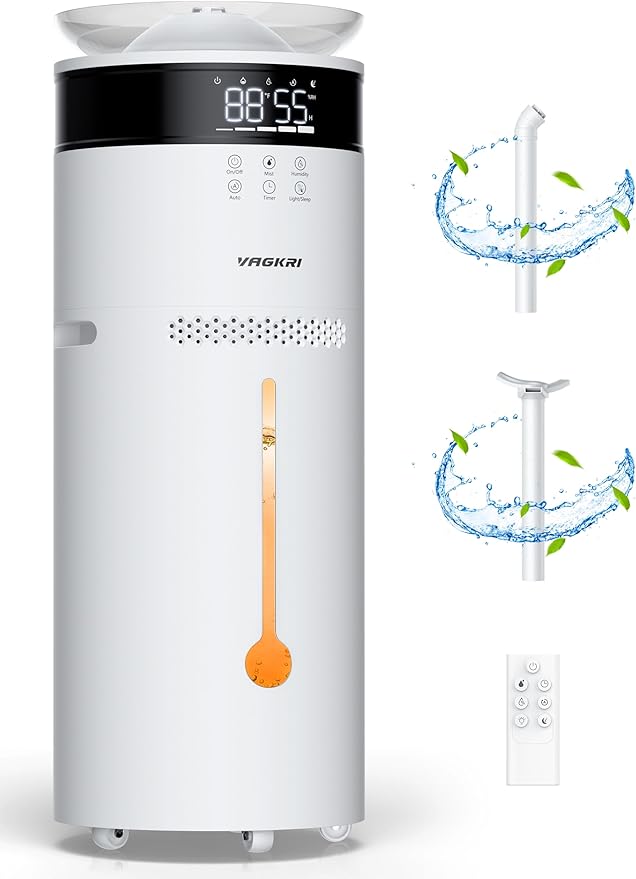
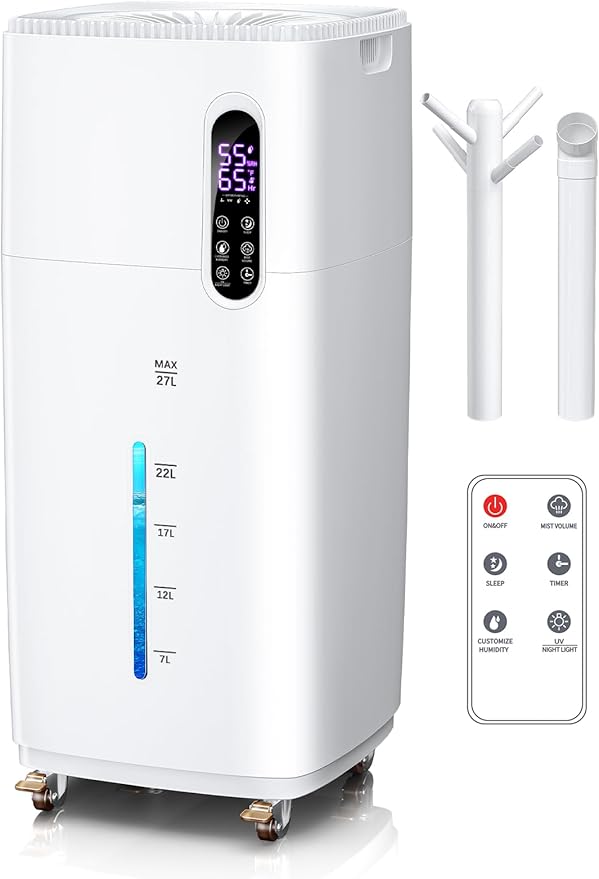
No, an air purifier isn’t the same as a dehumidifier because they serve different purposes. Both devices improve indoor air quality but in distinct ways.
An air purifier cleans the air by trapping dust, allergens, and pollutants, making it easier for you to breathe.
A dehumidifier, on the other hand, removes excess moisture from the air to prevent mold and dampness. This helps maintain a comfortable humidity level in your home, reducing the risk of mildew and structural damage.
You can use both together for a healthier home environment, but understanding their distinct roles helps you pick the right device for your needs.
Discover how each improves your indoor comfort and contributes to a cleaner, safer living space.
Key Takeaways
- An air purifier filters airborne particles, while a dehumidifier reduces moisture in the air; they serve different purposes.
- Air purifiers improve air quality by removing allergens and pollutants, whereas dehumidifiers prevent mold by controlling humidity.
- Dehumidifiers are effective in damp areas to reduce moisture, while air purifiers target airborne contaminants regardless of humidity.
- Both devices can be used together to create a healthier indoor environment by addressing air quality and humidity.
- Selection depends on whether you need cleaner air (air purifier) or moisture control (dehumidifier), as they are not the same.
How Air Purifiers Work
Although you might not see it, an air purifier works by pulling air through a series of filters that trap dust, pollen, smoke, and other airborne particles. When you turn it on, the device draws in contaminated air and passes it through a pre-filter that captures larger debris like pet hair.
Next, the air moves through a HEPA filter, which targets tiny particles such as allergens and bacteria. Some models also include activated carbon filters to absorb odors and harmful gases. Once filtered, the clean air is released back into the room.
How Dehumidifiers Function
Dehumidifiers pull moisture from the air to help reduce humidity levels in your home. When you turn one on, air is drawn into the unit by a fan and passed over cold coils. These coils cool the air, causing the moisture to condense into water droplets.
This water collects in a tank or drains away through a hose. The now drier air passes over warm coils to return to room temperature before being released back into the room. By continuously cycling air through this process, the dehumidifier lowers humidity, making your space less hospitable to mold, mildew, and dust mites.
You’ll notice your home feels more comfortable, especially in damp or humid climates, thanks to this simple yet effective moisture removal method.
Key Differences Between Air Purifiers and Dehumidifiers
You might wonder how air purifiers and dehumidifiers differ in what they do and how they affect your home’s air. Each device targets a specific problem—one cleans the air, while the other controls moisture levels.
Understanding these key differences helps you choose the right tool for your indoor air quality needs.
Functionality and Purpose
Understanding the core functionality of air purifiers and dehumidifiers helps you choose the right device for your needs. An air purifier cleans the air by trapping pollutants like dust, pollen, pet dander, and smoke using filters or UV light. Its main purpose is to improve air quality by removing harmful particles and allergens.
On the other hand, a dehumidifier reduces excess moisture in the air to prevent mold growth, dampness, and musty odors. It works by drawing in humid air, condensing the moisture, and collecting it in a tank. While an air purifier targets airborne contaminants, a dehumidifier focuses on controlling humidity levels.
Knowing these distinctions ensures you pick the device that addresses your specific indoor air challenges effectively.
Impact on Indoor Air
While both air purifiers and dehumidifiers improve your indoor environment, they impact the air in very different ways. An air purifier cleans the air by removing pollutants like dust, pollen, and smoke, making the air healthier to breathe.
In contrast, a dehumidifier lowers humidity levels, preventing mold growth and reducing moisture-related discomfort. Understanding these effects helps you choose the right device for your needs.
| Feature | Air Purifier | Dehumidifier |
|---|---|---|
| Primary Impact | Removes airborne particles | Reduces humidity in the air |
| Health Benefits | Improves air quality, reduces allergens | Prevents mold and mildew growth |
| Comfort Effect | Fresher, cleaner air | Less damp, more comfortable air |
Benefits of Using an Air Purifier
You’ll notice an air purifier can boost your indoor air quality by filtering out dust, pollen, and other pollutants. If you suffer from allergies or asthma, it can provide significant relief by reducing triggers in the air.
Let’s look at how these devices work to remove airborne contaminants and improve your breathing environment.
Improved Indoor Air Quality
Even if you can’t see them, airborne pollutants can significantly impact your health and comfort. Using an air purifier helps reduce these invisible irritants, giving you fresher, cleaner air at home. It works by filtering out harmful particles and contaminants that linger in the environment, making your living space healthier.
With an air purifier, you can expect:
- Removal of dust and pet dander
- Reduction of smoke and cooking odors
- Filtering of volatile organic compounds (VOCs)
- Decrease in airborne bacteria and viruses
- Minimization of mold spores in the air
Allergy and Asthma Relief
Because airborne allergens can trigger uncomfortable symptoms, using an air purifier can make a big difference if you suffer from allergies or asthma. An air purifier helps capture common irritants like pollen, pet dander, and dust mites, reducing your exposure and easing sneezing, coughing, and congestion.
You’ll notice fewer flare-ups when your indoor air is cleaner, which can improve your overall comfort and breathing. Unlike a dehumidifier, which controls moisture levels, an air purifier targets particles that directly provoke allergic reactions and asthma attacks.
Removal of Airborne Pollutants
Airborne pollutants like smoke, dust, and volatile organic compounds (VOCs) can seriously impact your indoor air quality. Using an air purifier helps remove these harmful particles, making your home healthier. It’s designed to trap and eliminate contaminants that you can’t see but can affect your breathing and overall well-being.
Here’s what an air purifier can remove effectively:
- Smoke particles from cigarettes or cooking
- Dust mites and pet dander
- Pollen and mold spores
- VOCs from cleaning products and paints
- Bacteria and viruses suspended in the air
Benefits of Using a Dehumidifier
While you might not notice humidity levels rising, high moisture in your home can lead to discomfort and health issues. Using a dehumidifier helps by reducing excess moisture, making your living space more comfortable and less sticky. It also protects your belongings—like furniture, clothes, and books—from damage caused by mold and mildew.
You’ll find it easier to breathe because mold spores and dust mites, which thrive in damp environments, decrease significantly. Plus, dehumidifiers can prevent structural problems by stopping wood from warping or paint from peeling. If you struggle with allergies or asthma, controlling humidity can reduce flare-ups.
Common Indoor Air Quality Issues Addressed by Each Device
Although both air purifiers and dehumidifiers improve your home’s air quality, they tackle different problems. An air purifier helps remove airborne contaminants, while a dehumidifier controls moisture levels to prevent mold and mildew growth. Understanding what each device addresses can help you choose the right solution for your needs.
Air purifiers commonly target:
- Dust particles
- Pet dander
- Pollen and allergens
- Smoke and odors
- Bacteria and viruses
Dehumidifiers primarily handle issues related to excess moisture, such as:
- Dampness and condensation
- Mold and mildew development
- Musty odors
- Dust mite populations
- Structural damage from humidity
Situations Where an Air Purifier Is More Effective
Knowing what each device targets helps you figure out when an air purifier will serve you better. If you’re dealing with allergens like pollen, pet dander, or dust mites, an air purifier is your go-to. It’s also more effective if you want to reduce airborne bacteria, viruses, or mold spores, improving overall air quality.
When odors from cooking, smoke, or pets bother you, an air purifier with activated carbon filters can help neutralize those smells. Additionally, if you or someone in your home suffers from asthma or other respiratory issues triggered by airborne particles, an air purifier can provide significant relief.
In these situations, focusing on cleaning the air itself, rather than adjusting humidity levels, makes an air purifier the more effective choice.
Situations Where a Dehumidifier Is More Effective
If you’re struggling with excess moisture in your home, a dehumidifier is the better choice. It’s designed to reduce humidity levels, preventing mold growth and musty odors. You’ll find a dehumidifier more effective in situations like:
- Damp basements or crawl spaces
- After water leaks or flooding
- In humid climates where moisture is persistent
- To protect wooden furniture and flooring
- When you notice condensation on windows
Unlike air purifiers, dehumidifiers target moisture, improving comfort and preventing damage caused by high humidity. If the air feels clammy or you spot mildew, a dehumidifier directly tackles the root cause. It’s essential for maintaining a healthier environment when moisture is the main issue.
Can You Use an Air Purifier and Dehumidifier Together?
While a dehumidifier helps control moisture, an air purifier focuses on improving air quality by removing allergens, dust, and pollutants. You can definitely use both devices together to create a healthier indoor environment. The dehumidifier reduces excess humidity that can encourage mold and dust mites, while the air purifier cleans the air of particles that can trigger allergies or respiratory issues.
Since they serve complementary purposes, running them simultaneously doesn’t cause conflict or reduce their effectiveness. Just make sure to place them in appropriate areas and maintain each device regularly by cleaning filters and emptying water tanks. Using both can be especially beneficial if you struggle with both dampness and poor air quality, giving you more comprehensive control over your home’s atmosphere.
Factors to Consider When Choosing Between the Two
When choosing between an air purifier and a dehumidifier, you’ll want to consider what you need most—clean air or reduced humidity. Think about how each device affects your environment and what the ongoing costs and upkeep will look like.
Understanding these factors will help you pick the right option for your space.
Purpose and Functionality
Because air purifiers and dehumidifiers serve distinct purposes, understanding their core functions is key to deciding which one suits your needs. An air purifier cleans the air by removing particles like dust, pollen, and pet dander, improving overall air quality. A dehumidifier, on the other hand, reduces excess moisture in the air, helping prevent mold and mildew growth.
Consider these factors when choosing between the two:
- Air purifiers target airborne allergens and pollutants.
- Dehumidifiers focus on controlling humidity levels.
- Air purifiers benefit allergy sufferers and asthma patients.
- Dehumidifiers protect your home from damp-related damage.
- Both devices improve indoor comfort but address different problems.
Knowing the distinct roles will help you pick the right device for your environment.
Environmental Impact Differences
Understanding how air purifiers and dehumidifiers impact the environment can help you make a more informed choice beyond their basic functions. Air purifiers often use filters that need regular replacement, which creates waste you’ll have to manage. They also consume electricity, though usually less than dehumidifiers.
Dehumidifiers, on the other hand, remove moisture by running compressors, which typically use more energy and contribute to a higher carbon footprint. Plus, some older models may use refrigerants that can harm the ozone layer if leaked. If reducing energy consumption and waste is important to you, weighing these factors is key.
Maintenance and Operational Costs
Although air purifiers and dehumidifiers serve different purposes, you’ll want to consider their maintenance and operational costs before making a decision. Air purifiers often require regular filter replacements, which can add up over time, while dehumidifiers need occasional water tank emptying and coil cleaning. Energy consumption varies too; dehumidifiers typically use more power due to their compressor.
You should also factor in noise levels during operation, as this can affect your comfort. Here’s what to keep in mind:
- Frequency and cost of filter replacements for air purifiers
- Energy usage differences between devices
- Water disposal and cleaning for dehumidifiers
- Lifespan and durability of each unit
- Noise levels during daily use
Evaluating these will help you pick the best fit for your budget and needs.
Frequently Asked Questions
How Often Should I Replace the Filters in an Air Purifier?
You should replace your air purifier’s filters every 3 to 6 months, depending on usage and air quality.
Check the manufacturer’s guidelines and monitor for reduced airflow or odors, which signal it’s time for a change.
Do Dehumidifiers Increase Electricity Bills Significantly?
Dehumidifiers can raise your electricity bill, but not drastically if used sensibly. They consume moderate power, so running them continuously might increase costs, but using timers or humidity settings helps keep energy use and expenses in check.
Can Air Purifiers Remove Odors From Pets?
Yes, air purifiers can remove pet odors by filtering out airborne particles and neutralizing smells. However, their effectiveness depends on the purifier’s quality and filter type, so choose one designed specifically for odor control.
HEPA filters can trap pet dander, while activated carbon filters are particularly good at absorbing odors. For the best results, look for an air purifier that combines both filter types. This ensures both particles and smells are effectively reduced.
Are Dehumidifiers Noisy During Operation?
Dehumidifiers can be noisy during operation, but it depends on the model and size. Some run quietly, while others produce a noticeable hum or fan sound.
You might want to check reviews to find a quieter option.
What Maintenance Is Required for Both Devices?
You might think both devices need similar upkeep, but they don’t. You’ll want to clean or replace air purifier filters regularly, while dehumidifiers require emptying water tanks and cleaning coils to keep them efficient and mold-free.
Conclusion
When deciding between an air purifier and a dehumidifier, remember that each serves a unique purpose—cleaning air versus controlling moisture. You might find that using both together offers the best of both worlds, especially in damp or allergy-prone spaces.
After all, “don’t put all your eggs in one basket.” Consider your specific needs and environment to choose wisely.
By understanding the differences between an air purifier and a dehumidifier, you can ensure healthier, more comfortable living conditions tailored just for you. Combining these devices can optimize indoor air quality and moisture control effectively.